.webp)

When medical bills show up after you've lost someone, the first question everyone asks is the same: am I responsible for this? The short answer about medical bills and hospital debt after death is usually no, but the exceptions matter. Spouses in certain states, anyone who co-signed paperwork, and adult children in a handful of places can face real liability. Here's how to figure out where you stand.
Key Takeaways:
- Medical debt belongs to the estate, not family members, unless you co-signed or live in specific states.
- Nine community property states may hold surviving spouses liable for debts incurred during marriage.
- Life insurance, retirement accounts, and jointly held property pass outside probate and remain protected.
- Debt collectors can contact family but cannot claim you owe debt when you legally don't.
- Elayne tracks creditor deadlines, reviews estate claims, and manages the administrative steps of settling medical debt.
Who Is Responsible for Medical Bills After Death?
When a loved one passes away, medical bills don't simply disappear. But they also don't automatically become your problem. That distinction matters more than most families realize.
In most cases, medical debt belongs to the estate, not to surviving family members. The estate covers everything the person owned at the time of death: bank accounts, property, and investments. Creditors, including hospitals, file claims against the estate during probate. If the estate runs out of money before all debts are paid, most remaining balances are written off.
In practical terms: if a parent dies with $20,000 in unpaid hospital bills and only $5,000 in assets, creditors generally cannot pursue surviving family members for the $15,000 gap. According to GoodRx, family members are typically not responsible for a deceased relative's medical debt unless they signed something agreeing to pay it.
There are real exceptions, though. Spouses in certain states, co-signers on medical agreements, and adult children in specific states can face personal liability. The sections below walk through each scenario clearly.
| Scenario | Who Is Liable | Key Details |
|---|---|---|
| General medical debt (most states) | The estate only | Medical bills are paid from estate assets during probate. If the estate runs out of money, remaining balances are typically written off. Family members have no personal liability unless specific exceptions apply. |
| Community property states | Surviving spouse may be liable | In Arizona, California, Idaho, Louisiana, Nevada, New Mexico, Texas, Washington, and Wisconsin, debts incurred during marriage are generally considered shared obligations. A surviving spouse may be personally responsible even without signing paperwork. |
| Co-signed medical agreements | The co-signer is personally liable | Anyone who co-signed or served as a financial guarantor on medical paperwork accepts personal responsibility for the bill. This liability survives the patient's death and applies regardless of estate solvency. |
| Filial responsibility states | Adult children may be liable in 28 states | Statutes allow nursing homes to pursue adult children for indigent parents' unpaid care costs. Enforcement is rare because Medicaid typically covers costs. Risk increases when a parent had too many assets to qualify for Medicaid but too few to cover care. |
| Assets with named beneficiaries | Protected from creditors | Life insurance proceeds, retirement accounts, payable-on-death bank accounts, and jointly held property pass outside probate and remain protected from medical debt claims. Exception: if the estate itself is named as beneficiary. |
| Medicaid estate recovery | The estate (with protections) | States must seek recovery of Medicaid payments for nursing facility and related services from the estate. Recovery cannot proceed while a surviving spouse is alive or when there is a child under 21, blind, or disabled. |
How the Estate Pays Medical Debt Through Probate
Probate is the legal process through which a deceased person's estate is administered and debts are settled before assets pass to heirs. Medical creditors, like any other creditor, must file a formal claim against the estate within a state-defined window, often four to six months from the date notice is published. Miss that window, and the hospital generally loses its right to collect.
When claims do come in, debts are paid in a priority order set by state law. Funeral costs and administrative expenses typically come first, with medical debts following behind. If the estate holds enough assets, valid creditor claims get paid. If not, the estate is considered insolvent, and remaining balances are discharged without transferring to surviving family.
What Happens When There Is No Probate Estate?
Some assets pass outside of probate entirely, such as jointly held property, retirement accounts with named beneficiaries, and life insurance proceeds. These assets are generally not reachable by medical creditors, even if the estate itself cannot cover outstanding bills.
{{blog-cta-financial}}
Community Property States and Spousal Liability
Spousal liability is where the rules get more complicated. In most states, a surviving spouse is not personally responsible for a deceased partner's medical bills. But nine states follow community property law, and the rules there work differently.
In community property states, debts incurred during a marriage are generally considered shared obligations. That means a hospital bill from a treatment a spouse received while married could become the surviving partner's liability too, even if their name never appeared on any paperwork.
The nine community property states are:
- Arizona
- California
- Idaho
- Louisiana
- Nevada
- New Mexico
- Texas
- Washington
- Wisconsin
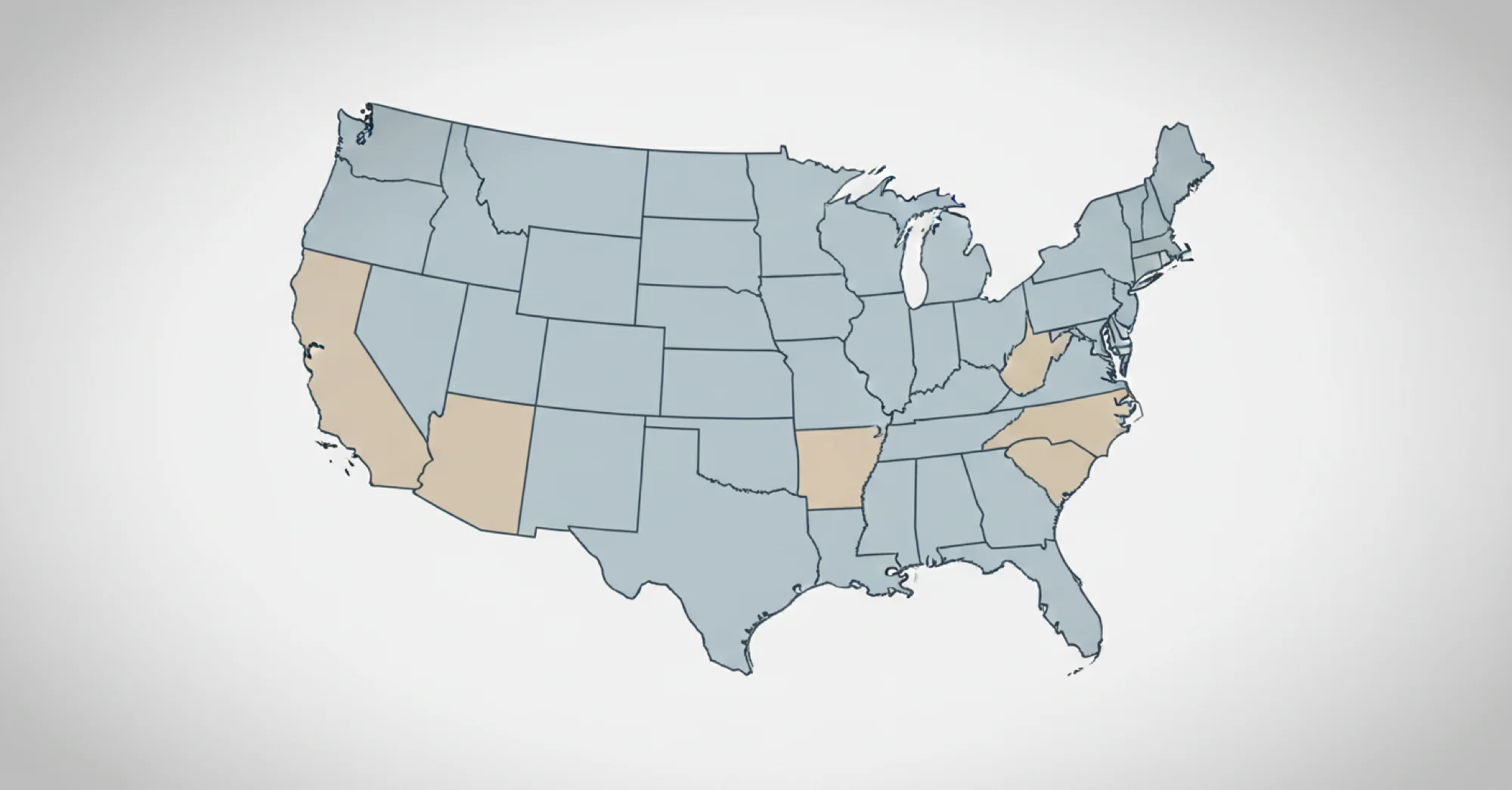
If you live in one of these states, consult a local estate attorney before assuming the debt belongs only to the estate. The exposure is real, and the rules vary by state.
When Co-Signing Makes You Liable
Signing paperwork at a hospital or nursing home feels routine, especially when emotions are running high. But some of those forms carry real financial weight.
Co-signing a medical agreement or guarantor form means accepting personal responsibility for the bill if the patient cannot pay. That liability survives the patient's death. Unlike an authorized user on a credit card, who holds access without ownership of the debt, a co-signer or financial guarantor is on the hook regardless of the estate's solvency.
Nursing homes in particular have a history of using language that blurs this line. Under federal law, nursing facilities cannot require a third party to personally guarantee payment as a condition of admission. But some facilities have used vague "responsible party" language that functions similarly. If you signed anything beyond a standard healthcare proxy or insurance authorization, it is worth having an attorney review the language before assuming you owe nothing.
A helpful way to assess your exposure:
- If your signature appears on a payment agreement, beyond just a consent or authorization form, personal liability may apply.
- "Responsible party" language in nursing home admissions paperwork can carry financial implications even when it appears administrative.
- Reviewing any document you signed before making payments or engaging with collectors can protect you from paying debts that were never legally yours.
Filial Responsibility Laws Across States
Most families have never heard of filial responsibility laws, and that's partly because enforcement is rare. Still, these statutes are worth understanding before assuming there is no exposure.
As of 2026, 28 states have filial responsibility laws on the books. These allow nursing homes or medical providers to pursue adult children directly for an indigent parent's unpaid care costs, particularly long-term care. Pennsylvania is the most commonly cited example, where courts have upheld nursing home claims against adult children.
When Does Risk Actually Rise?
Enforcement stays uncommon because Medicaid covers nursing home costs for most low-income seniors. The gap filial laws exist to fill simply isn't there in most cases. Risk increases when a parent had too many assets to qualify for Medicaid but too few to cover care, with no other payer stepping in.
If a parent received nursing home care, died with unpaid bills, and lived in a state with filial statutes, an attorney review is worth the time.
{{blog-cta-financial}}
Medicaid Estate Recovery After Death
Medicaid estate recovery operates under a separate set of rules than standard medical debt. When Medicaid pays for care, the government has a legal right to recoup those costs from the deceased recipient's estate after death.
Federal law requires states to seek recovery of Medicaid payments made for nursing facility services, home and community-based services, and related hospital and prescription drug costs for individuals 55 or older. That recovery comes from the estate, meaning assets the person owned at death.
There are protections, though. States cannot pursue recovery while a surviving spouse is alive, or when there is a surviving child who is under 21, blind, or disabled. Once those protected individuals are no longer in the picture, the state's claim can move forward against remaining estate assets.
Assets Protected From Medical Debt Claims
Not every asset a person owns at death is fair game for creditors. Several categories pass directly to named beneficiaries and sit outside the reach of medical debt collection entirely.
Assets that generally cannot be claimed by medical creditors:
- Life insurance proceeds paid to a named beneficiary, which transfer directly outside of any court process
- Retirement accounts such as 401(k)s, IRAs, and pensions that carry designated beneficiaries
- Payable-on-death (POD) bank accounts, which pass automatically to the named recipient upon death
- Transfer-on-death (TOD) investment accounts that change ownership without going through probate
- Jointly held property that passes by right of survivorship to the surviving co-owner
The common thread across all of these: they transfer by contract or title, bypassing probate entirely. Because creditors can only file claims against the probate estate, anything that never enters probate is generally protected.
One important caveat applies here. If the estate itself is named as the beneficiary on a life insurance policy or retirement account, those funds do flow into probate and become available to creditors. Reviewing beneficiary designations is a small step with real consequences for what a family actually receives.
Dealing With Debt Collectors After a Loss
Debt collectors may still call even when no one in the family owes anything. That is legal, but it does not mean the debt belongs to you.
Under the Fair Debt Collection Practices Act (FDCPA), collectors can contact a deceased person's spouse, executor, or administrator to discuss the debt. They cannot, however, imply that family members are personally liable when they are not.
A few things worth knowing:
- You can request that a collector stop contacting you in writing. Once they receive that request, contact must cease except to confirm no further contact or to notify you of a specific action.
- Executors and administrators have the right to request written verification of any debt before engaging further.
- Paying a deceased relative's bill voluntarily can sometimes be interpreted as assuming responsibility. Consult an attorney before sending any payment.
If a collector misrepresents who owes a debt or uses pressure tactics against a non-liable family member, that may constitute an FDCPA violation. The Consumer Financial Protection Bureau accepts complaints and can investigate.
How Estate Settlement Support Helps Families Manage Medical Debt
Medical debt after a loss involves more moving parts than most families expect: probate timelines, creditor claim windows, protected assets, state-specific rules, and collector communications that may or may not be legitimate. Missing a single step can mean paying a bill that was never legally owed.
Elayne handles the administrative weight of this process. That includes reviewing claims filed against the estate, tracking creditor deadlines, and helping families understand which assets sit outside probate and which do not. When medical debt questions intersect with broader estate settlement steps like notifying agencies, closing accounts, and locating benefits, Elayne manages those pieces in one place so nothing falls through the gaps.
Families shouldn't have to become debt law experts while grieving. See how Elayne works.
Final Thoughts on Handling Medical Bills After the Loss of a Loved One
When you understand the rules around medical bills after death, you can separate legitimate claims from collector overreach. The estate pays valid debts, protected assets stay out of reach, and most family members owe nothing unless specific exceptions apply. Reviewing what you signed and which state laws govern your situation protects you from paying bills that were never yours. If you need support managing creditor claims and estate steps together, Elayne handles the review and follow-through so nothing gets missed.
FAQ
What happens to medical debt if the estate has no money left?
If the estate runs out of assets before all creditor claims are paid, most remaining medical balances are written off. Creditors cannot pursue surviving family members for the shortfall unless specific exceptions apply, such as co-signing or living in a community property state.
Do I need to pay my parent's hospital bills if I live in a state with filial responsibility laws?
Filial responsibility laws exist in 28 states but are rarely enforced. Risk increases when a parent received nursing home care, had too many assets to qualify for Medicaid but too few to cover care, and died with unpaid bills. If this describes your situation, consult an attorney before making any payments.
Can medical creditors claim life insurance or retirement accounts after death?
No. Life insurance proceeds, retirement accounts, and other assets that pass directly to named beneficiaries sit outside the probate estate and are generally protected from medical debt claims. The exception: if the estate itself is named as the beneficiary, those funds become available to creditors.
Should I pay my spouse's medical bills if I live in a community property state?
In the nine community property states (Arizona, California, Idaho, Louisiana, Nevada, New Mexico, Texas, Washington, and Wisconsin), debts incurred during marriage may be treated as shared obligations. Consult a local estate attorney before making any payments to understand your actual liability.
What should I do if a debt collector contacts me about a deceased relative's medical bills?
You can request in writing that the collector stop contacting you. Before engaging further or making any payment, request written verification of the debt and consult an attorney. Paying a bill voluntarily can sometimes be interpreted as assuming responsibility when you had none.











.svg)