
When a credit card bill shows up after someone dies, don’t panic.
In general, you’re not responsible for these debts. However, there are exceptions, which is why we recommend working with a professional to navigate this process.
Ultimately, these bills need to be addressed. Ignoring them can lead to calls from debt collectors or leave the estate vulnerable to fraud. That’s why, if you have authority to act, it’s important to locate all open accounts, notify the credit card companies, and understand your rights moving forward.
{{blog-cta-financial}}
Step 1: Locate Open Credit Card Accounts
Even if no bills have arrived yet, it’s a good idea to get a full picture of what accounts exist. This protects the estate and reduces the chance of fraud or missed payments.
How to find open credit card accounts
- Look through mail and email for billing statements
- Review bank statements for recurring credit card payments
- Request a credit report from Experian, Equifax, or TransUnion using the person’s information
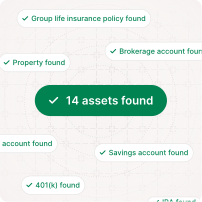
Elayne Clients have this step taken care of for them—you will be able to see a list of all open credit cards in your Elayne account.
Step 2: Notify the Credit Card Companies
Once you’ve identified open accounts, contact each credit card company directly. Let them know the person has passed, and ask them to close the account and mark it as “deceased.”
You may be asked to provide:
- A copy of the death certificate
- The person’s full name, date of birth, and Social Security number
Step 3: Know Your Rights if Creditors Contact You
Credit card companies or debt collectors may reach out to surviving family members—but that doesn’t mean you’re automatically responsible. Also, the Fair Debt Collection Practices Act (FDCPA) is designed to protect consumers, and stop debt collection practices that are abusive.
Again, we recommend working with a professional to navigate these topics. If you’re not liable for paying a loved one’s debt, you can respond with a simple statement to creditors:
“I’m not personally responsible for this debt. Please contact the estate’s executor.”
Step 4: Consider Negotiating the Debt
Credit card companies will often negotiate the amount owed—especially if the estate can’t pay the full balance. You can contact them directly and ask if they’re open to a reduced settlement.
Sample script to start the conversation:
“I’m calling about an account for [Deceased’s Full Name], who passed away on [Date]. I’m helping settle their estate. The estate can’t cover the full balance, but we’d like to resolve this. Would your team be open to negotiating the amount owed?”
Elayne Can Help Settle Credit Card Debt After Someone Dies
At Elayne, we help families manage credit card bills and other financial details after someone dies. That includes:
- Tracking down all credit card accounts
- Notifying companies and closing accounts
- Handling calls from creditors
- Negotiating down credit card debt (in many cases, by 50% or more)
{{blog-cta-financial}}
Our Care Managers handle these tasks every day, and we’re here if you need us. You don’t have to navigate this alone, or figure it out from scratch. Whatever the challenge, we’ll walk you through it, one step at a time.
*Disclaimer: This article is for informational purposes only and does not provide legal, medical, financial, or tax advice. Please consult with a licensed professional to address your specific situation.










.svg)