Grief can strike anyone at any time, and its impact often extends into the workplace. As an employer, understanding and addressing grief in the workplace is crucial for maintaining a healthy and productive environment. When employees face loss, their emotional well-being and productivity can suffer significantly. However, with the proper support, employers can make a critical difference in how their team members cope with grief.
This article will explore strategies for supporting grieving employees, from providing emotional support to implementing practical accommodations. We'll also discuss fostering a compassionate workplace culture that benefits all employees, not just those experiencing loss.
{{blog-cta-admin}}
Understanding Grief
Before effectively supporting grieving employees, we must understand what they're experiencing. Grief affects individuals differently, manifesting in various ways that can impact their work life.
Some common signs of grief include:
- Intense sadness or mood swings
- Anger or irritability
- Confusion and difficulty concentrating
- Changes in productivity
- Withdrawal from colleagues
Recognizing these signs helps managers provide appropriate support. It's important to remember that grief doesn't follow a set timeline or pattern. Some employees may bounce back quickly, while others might struggle for an extended period.
Providing Emotional Support
Show Empathy and Compassion
Empathy forms the foundation of supporting grieving employees. Managers should strive to understand and share the feelings of their team members without judgment. Compassionate communication involves:
- Listening actively without trying to "fix" the situation
- Acknowledging the employee's loss and its impact
- Offering support without pressure
Offer Counseling and Support Resources
Providing access to professional support can significantly help grieving employees. Consider offering:
- Grief counseling services
- Employee Assistance Programs (EAPs)
- Information on local support groups
When offering these resources, do so discreetly and respectfully. Emphasize that seeking help is a sign of strength, not weakness.
Practical Accommodations
Flexible Work Arrangements
Flexible work schedules can give grieving employees the space to manage their emotions and responsibilities. Consider offering:
- Remote work options for employees who need a more comfortable environment
- Adjusted work hours, such as later start times or earlier finish times
- Compressed workweeks, allowing for longer weekends
- Job sharing arrangements to reduce overall workload
- Additional paid or unpaid leave beyond standard bereavement policies
Adjusting Workloads
Temporarily reducing or redistributing tasks can help prevent burnout in grieving employees. Work with the employee to:
- Identify priority tasks and focus on essential responsibilities
- Delegate non-essential responsibilities to other team members
- Set realistic deadlines and expectations for project completion
- Assign a "buddy" or mentor to assist with complex tasks
- Provide additional training or resources if the employee feels overwhelmed
Allowing Time for Grief
Give employees the time to process their loss without pressure to "get over it" quickly. This time to process might involve:
- Encouraging them to take breaks as needed throughout the day
- Allowing time off for funeral arrangements, family matters, or grief counseling
- Being patient with fluctuations in productivity and focus
- Offering "grief days" in addition to standard bereavement leave
- Permitting the use of sick days or personal days for grief-related needs
Modifying the Work Environment
Consider making changes to the physical work environment to support grieving employees:
- Provide a quiet space or relaxation room where employees can take a moment to compose themselves
- Allow the employee to move to a less high-traffic area if they need more privacy
- Adjust lighting or noise levels in their workspace to reduce sensory stress
- Permit the display of personal mementos or photos, if desired by the employee
Financial and Practical Support
Offer assistance with practical matters that may be overwhelming during grief:
- Provide information on bereavement benefits and how to access them.
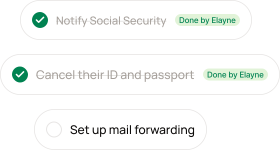
- Consider offering direct training or assistance with legacy planning tools like Elayne to help you navigate the next steps after the loss
- Offer assistance with paperwork related to insurance claims or estate matters
- Consider providing a small bereavement stipend to cover immediate expenses
- Connect employees with financial advisors or legal resources if needed
Communication Accommodations
Adapt communication expectations to support the grieving employee:
- Reduce the number of meetings the employee is required to attend
- Allow the employee to turn off their camera during video calls if they prefer
- Provide written summaries of important discussions for easy reference
- Offer alternative methods of communication (e.g., email instead of phone calls) if the employee finds specific interactions challenging
Gradual Return-to-Work Plans
For employees who have taken extended leave, create a gradual return-to-work plan:
- Start with part-time hours and slowly increase to full-time
- Begin with less demanding tasks and gradually reintroduce more complex responsibilities
- Schedule regular check-ins to assess how the employee is coping with increased workload
- Be prepared to adjust the plan based on the employee's needs and progress
By implementing these practical accommodations, employers can create a supportive environment that allows grieving employees to navigate their loss while maintaining their professional responsibilities. Remember to tailor these accommodations to each individual's needs, as grief is a personal experience.
Fostering a Supportive Workplace Environment
Encourage Open Communication
Maintain open communication between management and grieving employees. Communication helps employees feel supported and understood. To facilitate this:
- Schedule regular check-ins
- Create a safe space for employees to express their feelings
- Be honest about what accommodations you can offer
Create a Culture of Compassion
A compassionate culture benefits all employees, not just those experiencing grief. To build this culture:
- Provide training on empathy and emotional intelligence
- Encourage leadership by example in showing compassion
- Recognize and reward acts of kindness among team members
Long-Term Support Strategies
Ongoing Check-Ins and Support
Grief doesn't end after a set period. Continue to support your employees by:
- Scheduling regular check-ins to assess their well-being
- Adjusting support as their needs change
- Remaining open to feedback about the support provided
Recognizing Anniversaries and Milestones
Be mindful of important dates that may be difficult for grieving employees, such as:
- The anniversary of their loss
- Birthdays or holidays associated with their loved one
- Other significant milestones
Acknowledge these dates sensitively by offering additional support or time off.
Promote Continuous Learning and Support
Equip your management team with the tools they need to support grieving employees effectively:
- Provide ongoing training on grief support
- Share resources on compassionate leadership
- Encourage managers to seek support when dealing with grieving team members
{{blog-cta-admin}}
Conclusion
Supporting grieving employees requires a combination of empathy, practical accommodations, and a supportive workplace culture. By implementing the strategies discussed in this article, employers can create an environment where employees feel valued and supported during their most challenging times.
Remember, compassionate leadership plays a crucial role in helping employees navigate grief. Taking proactive steps to support grieving employees benefits the individual and enhances organizational resilience and employee well-being.
You'll create a more loyal, engaged, and productive team by fostering a workplace that acknowledges and supports employees through grief. This approach to grief in the workplace demonstrates a commitment to your employees' overall well-being, strengthening your organization.










.svg)