

Key Takeaways
- Next of kin refers to your closest living relatives, but being next of kin doesn't automatically give you legal authority over someone's estate or medical decisions
- The deceased's will determines who administers the estate, not the next of kin designation, though next of kin may have priority for appointment if there's no will
- Next of kin typically have authority to make funeral and burial decisions unless the deceased left specific instructions or designated someone else
- Your responsibilities as next of kin vary by state and situation, and may include making immediate decisions about the body, notifying relevant parties, and possibly serving as estate administrator
- Next of kin who are also beneficiaries have rights to information about the estate, but simply being next of kin doesn't entitle you to inherit or control estate assets
{{blog-cta-admin}}
What Does Next of Kin Actually Mean?
Legal Definition and Common Usage
Next of kin is a legal term referring to a person's closest living blood relatives. The exact definition varies by state, but it typically follows a hierarchy starting with surviving spouses, then children, then parents, then siblings, and extending to more distant relatives if no closer ones exist. The term identifies who has the closest family relationship to someone, which becomes important in various legal and medical contexts.
In everyday conversation, people often use "next of kin" more loosely to mean any close family member or emergency contact. However, the legal definition is more specific and usually follows a priority order established by state law. Understanding this legal meaning matters because rights and responsibilities associated with being next of kin are based on the formal legal definition, not informal usage.
The next of kin hierarchy isn't always straightforward in modern families. Estranged spouses may still technically be next of kin despite having no relationship. Stepchildren who feel like family may not qualify legally. Longtime unmarried partners may have no next of kin status despite being the deceased's primary relationship. These situations create complications that proper estate planning can help address.
How Next of Kin Differs from Other Roles
Being next of kin is different from being an executor, administrator, beneficiary, or power of attorney. An executor is someone named in a will to handle estate administration. An administrator is someone appointed by the court to handle estates when there's no will. A beneficiary is someone who inherits assets. A power of attorney is someone authorized to make decisions during someone's lifetime.
You might be next of kin without being any of these other things. For example, if your brother names his wife as executor in his will, she administers his estate even though you might be considered next of kin as his sibling. Conversely, you might be named as executor despite not being next of kin, if someone chooses to appoint a trusted friend rather than a family member.
Understanding these distinctions prevents confusion about what authority you actually have. Just because you're next of kin doesn't mean you automatically control the estate, make all decisions, or inherit assets. Your specific rights depend on which roles you hold and what legal authority you've been given.
Your Authority as Next of Kin
Making Funeral and Burial Decisions
One area where next of kin status typically does convey authority is making decisions about funeral arrangements and disposition of the body. In most states, the next of kin has the right to make these decisions unless the deceased left specific instructions or designated someone else for this responsibility.
This authority includes deciding whether the body will be buried or cremated, selecting a funeral home, planning funeral or memorial services, and determining where remains will be interred or scattered. These decisions often need to be made quickly, sometimes within days of death, so understanding you have this authority helps you act decisively during an emotional time.
However, if the deceased left clear instructions about their wishes, either in a will, a separate document, or through pre-arranged funeral plans, those wishes should generally be followed. Some states give legal weight to the deceased's documented wishes over next of kin preferences. If multiple family members disagree about arrangements, the person highest in the next of kin hierarchy typically has final say.
Medical Decisions During Final Illness
Next of kin often serve as default medical decision makers if someone becomes incapacitated and hasn't designated a healthcare power of attorney. Hospitals and medical facilities turn to next of kin for consent on medical procedures when patients cannot make their own decisions. However, this authority only exists during the person's lifetime and ends at death.
If the person did designate a healthcare power of attorney or healthcare proxy, that person has authority over medical decisions, not the next of kin. The designated agent's authority supersedes next of kin status. This is why it's important to know whether someone has advance directives or healthcare powers of attorney in place before assuming you'll make medical decisions as next of kin.
After death, next of kin may need to authorize autopsy, organ donation, or other medical procedures, depending on state law and the circumstances of death. Understanding your state's specific laws about these decisions helps you navigate them if they arise.
What You Cannot Do as Next of Kin
Being next of kin doesn't give you authority to access or control the deceased's estate assets. You cannot withdraw money from their bank accounts, sell their property, pay their bills from their accounts, or distribute their belongings simply based on next of kin status. These actions require legal authority as executor or administrator.
You also cannot access the deceased's private information simply because you're next of kin. Banks, credit card companies, and other institutions won't give you account information or allow you to manage accounts without proper legal documentation like letters testamentary or letters of administration.
Similarly, you cannot make binding legal decisions about the estate such as deciding which debts to pay, whether to sell property, or how to distribute assets. These decisions belong to whoever has legal authority over the estate, whether that's an executor named in the will or an administrator appointed by the court.
Responsibilities That Come with Being Next of Kin
Immediate Post-Death Responsibilities
In the hours and days immediately following someone's death, next of kin often take on practical responsibilities even without formal legal authority. These include notifying other family members and close friends about the death, contacting the funeral home to arrange for the body, securing the deceased's property and belongings, and caring for any pets or dependents.
You may also need to locate important documents like the will, insurance policies, and financial records. While you can't act on these documents without proper authority, gathering them helps whoever will eventually administer the estate. Starting a list of the deceased's assets, debts, and important contacts creates helpful information for estate administration.
These immediate actions don't require legal appointment but flow naturally from being the closest family member on the scene. Using common sense and acting in the deceased's best interests guides you through these first steps while formal legal processes begin.
Applying to Be Administrator
If the deceased had no will, the next of kin often has priority to be appointed as administrator of the estate. State laws establish a priority order for who can serve as administrator, typically following the same hierarchy as next of kin. As the closest relative, you usually have first rights to petition the court for appointment if you want the role.
Being next of kin doesn't make you an administrator automatically. You must petition the probate court, provide required documentation, and be formally appointed before you have legal authority over the estate. The court issues letters of administration that prove your authority to act on behalf of the estate.
You're not required to serve as administrator simply because you're next of kin. If you don't want the responsibility, you can decline or petition for someone else to be appointed. Some people choose not to serve due to family dynamics, distance, lack of time, or simply not wanting the responsibility.
Notifying Relevant Parties
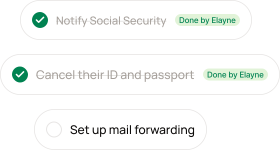
Next of kin often take responsibility for notifying various parties about the death even if they're not serving as executor or administrator. This includes notifying the Social Security Administration, reporting the death to credit bureaus, contacting life insurance companies, notifying the deceased's employer or former employer about pension benefits, and informing utility companies and service providers.
Some of these notifications are time-sensitive. Social Security, for example, should be notified quickly so benefits stop and you avoid having to return overpayments. Life insurance companies need notification to begin the claims process. Understanding which notifications are urgent and which can wait helps you prioritize during a busy time.
Even if you're not the executor, doing these initial notifications as next of kin helps the estate administration proceed smoothly. Just make clear that you're providing notice of death and that formal estate matters will be handled by the executor or administrator once appointed.
Next of Kin Rights in Estate Administration
Right to Information
If you're next of kin but not the executor or administrator, you may still have rights to information about the estate, particularly if you're also a beneficiary or heir. Most states require executors to notify interested parties about probate proceedings and to provide certain information about estate administration.
As next of kin who are also heirs, you typically have the right to receive notice when the will is filed for probate, to receive copies of estate accountings, to know what assets exist in the estate, and to understand how and when distributions will be made. Executors have duties of transparency to beneficiaries that include providing reasonable information.
However, if you're next of kin but not a beneficiary or heir, your right to information may be more limited. Executors aren't required to share detailed estate information with family members who have no interest in the estate, even if they're closely related to the deceased.
Right to Contest the Will
Next of kin have standing to contest a will if they believe it's invalid. Grounds for will contests include lack of testamentary capacity, undue influence, fraud, or improper execution. As next of kin, you're considered an interested party with the right to challenge the will's validity.
However, contesting a will is serious and should only be done if you have legitimate concerns and substantial evidence. Courts presume properly executed wills are valid, so you bear the burden of proving otherwise. Will contests also have strict time limits, typically requiring you to file within a few months of the will being admitted to probate.
Before contesting a will, consult with a probate attorney about the strength of your case and the likely costs. Will contests can consume substantial estate assets in legal fees and create lasting family rifts. Make sure you're pursuing a contest for valid reasons, not simply because you're disappointed with how you were treated in the will.
Right to Petition for Executor Removal
If you're next of kin and also a beneficiary, you have the right to petition the court to remove an executor who is mismanaging the estate or breaching fiduciary duties. This right protects your interests as a beneficiary, not simply your status as next of kin.
Grounds for removing an executor include failing to perform required duties, mismanaging or wasting estate assets, showing favoritism to some beneficiaries over others, refusing to provide required accountings, or engaging in self-dealing. Removal requires substantial evidence and usually isn't granted for minor issues or personality conflicts.
The process for removing an executor varies by state but typically requires filing a petition with the probate court, presenting evidence of the executor's misconduct, and giving the executor an opportunity to respond. The court makes the final decision about whether removal is warranted.
Special Situations for Next of Kin
When You're Next of Kin for an Estranged Family Member
Being next of kin for someone you were estranged from creates awkward situations. You may be the legal next of kin with responsibility for making decisions, but you may know little about the person's wishes or circumstances. You might also resent being put in this position when the relationship was distant or difficult.
In these situations, you can decline responsibilities like serving as administrator. You're not legally required to take on estate administration simply because you're next of kin. However, some immediate decisions about disposition of the body may fall to you by default if no one else steps forward.
Consider reaching out to people who were closer to the deceased to understand their wishes and circumstances. Friends or more distant relatives might have better information about what the person would have wanted. Consulting with an attorney about your options and obligations helps you navigate this difficult situation.
Next of Kin in Blended Families
Blended families create confusion about who qualifies as next of kin. Stepchildren and stepparents may feel like family but often don't have legal next of kin status unless formal adoption occurred. This can create situations where legal next of kin and the people who actually had close relationships with the deceased are different people.
If you're a stepchild and your stepparent dies, you may have no legal rights as next of kin even if you had a parental relationship. Conversely, if you're a biological child who was estranged, you may be legal next of kin despite having no recent relationship. These situations highlight why proper estate planning with clear designations of decision makers and beneficiaries matters.
When blended family situations arise, communication and flexibility help. Legal next of kin who recognize that others had closer relationships might defer to those people for certain decisions. People who aren't legal next of kin but were close to the deceased might need to accept that they don't have formal authority even if they feel they should.
Multiple Next of Kin at the Same Level
Sometimes multiple people occupy the same level in the next of kin hierarchy. If someone has three adult children and no surviving spouse, all three children are next of kin at the same level. If someone has multiple siblings and no closer relatives, all siblings are equally next of kin.
When multiple people are next of kin at the same level, disagreements about decisions can arise. State laws handle this differently, with some requiring consensus among all next of kin at the same level and others allowing one to act if others don't object. Understanding your state's specific requirements prevents conflicts.
If you're one of multiple next of kin, communication and compromise are essential. Try to reach consensus on major decisions like funeral arrangements. If you cannot agree and the situation requires legal resolution, the probate court can intervene to resolve disputes among equally-situated next of kin.
Working with Professionals as Next of Kin
When to Hire an Estate Attorney
Even if you're not serving as executor or administrator, consulting with an estate attorney as next of kin can help you understand your rights and responsibilities. An attorney can explain whether you have legal authority to make certain decisions, advise you about applying to be administrator if there's no will, help you understand your rights as a beneficiary, and guide you through contested situations.
Many estate attorneys offer initial consultations at reasonable rates. Getting professional advice early prevents mistakes and helps you understand what actions you can take versus what requires formal legal authority. If the estate is complex or family dynamics are difficult, attorney guidance becomes even more valuable.
Don't assume you can't afford an attorney. Some attorneys work on contingency in appropriate situations, and others offer payment plans. If you're ultimately appointed as administrator, the estate pays for reasonable attorney fees, so getting help doesn't necessarily come from your pocket.
Understanding When You Need Court Involvement
Some situations require court involvement regardless of whether you have next of kin status. If there's no will and someone needs to be appointed as administrator, the probate court must be involved. If there are disputes among family members about funeral arrangements, estate administration, or will validity, courts resolve these conflicts.
Understanding when court involvement is necessary versus when you can handle matters informally helps you navigate efficiently. Simple estates where everyone agrees often need minimal court involvement. Complex estates or contested situations require more formal court processes.
Don't view court involvement as inherently negative. Probate courts exist to ensure estates are handled properly and to resolve disputes fairly. When informal family discussions can't resolve disagreements, court involvement provides structure and legal authority for moving forward.
Conclusion
Understanding your role as next of kin means recognizing both what authority this status conveys and what it doesn't. While being next of kin typically gives you the right to make funeral and burial decisions and may give you priority to serve as estate administrator if there's no will, it doesn't automatically grant you control over the deceased's assets or the right to make all decisions about their affairs.
Your actual authority depends on whether the deceased left a will naming someone else as executor, whether you've been formally appointed by the court, and what other legal documents like powers of attorney exist. The best approach is being clear about your specific authority, acting within those bounds, and seeking formal appointment through the court when you need legal authority you don't currently have.
If you're named as next of kin for someone or if you're planning your own estate, understanding these distinctions helps everyone navigate the difficult time after death with clarity about roles, responsibilities, and rights. When in doubt, consulting with an estate attorney provides guidance specific to your situation and state law.
{{blog-cta-admin}}
FAQs
Q: Does being next of kin mean I automatically inherit everything?
No, inheritance is determined by the will if one exists, or by state intestacy laws if there's no will, not by next of kin status alone, though next of kin are often beneficiaries under intestacy laws.
Q: Can I access my deceased parent's bank account as their next of kin?
No, you need legal authority such as letters testamentary or letters of administration to access or manage their accounts, which requires being appointed as executor or administrator through the probate process.
Q: What if I'm next of kin but I don't want to handle the estate?
You can decline to serve as administrator and allow someone else to petition for appointment, or you can petition to have a professional administrator or another family member appointed instead.
Q: Do I need to pay the deceased's debts from my own money as next of kin?
No, you're not personally responsible for the deceased's debts simply because you're next of kin, though their debts must be paid from their estate assets before distributions to beneficiaries.
Q: How do I prove I'm the next of kin?
Typically through documents showing your relationship such as birth certificates, marriage certificates, or family tree documentation, which you'll need to provide when petitioning to be administrator or making funeral arrangements.
Q: Can the deceased designate someone other than next of kin to make funeral decisions?
Yes, many states allow people to designate an agent for disposition of remains in advance directives or separate documents, and this designation supersedes next of kin authority.
Q: What happens if next of kin can't be located?
Courts and institutions will search for next of kin through available records, but if none can be found, the state may handle arrangements and the estate may eventually escheat to the state.
**Disclaimer: This article provides general information about next of kin roles in estate matters and should not be considered legal advice. For guidance specific to your situation, please consult with a qualified probate attorney in your jurisdiction who can advise you about your rights, responsibilities, and options as next of kin.










.svg)