.png)

Losing a loved one is emotionally difficult, and navigating the legal responsibilities that follow can feel overwhelming. One of the most important steps in settling an estate is going through probate—a court-supervised process that varies by state and situation. If you're searching for how to find a probate lawyer near me, this guide will help you understand what probate involves, why legal guidance matters, and how to choose the right attorney in your area.
Whether you're an executor managing an estate or a beneficiary seeking clarity, finding a qualified probate lawyer can make the process smoother and less stressful.
{{blog-cta-legal}}
What Is Probate?
Probate is the legal process of settling a deceased person's estate. It involves proving the validity of their will (if there is one), identifying and inventorying the deceased's assets, paying debts and taxes, and distributing the remaining assets to heirs or beneficiaries.
The probate process is typically overseen by a court and can vary depending on state laws and whether or not the deceased had a valid will. In general, here’s how probate works:
- Filing a petition with the local probate court to open the estate.
- Notifying heirs and creditors about the death and the probate proceedings.
- Inventorying the estate’s assets, such as property, bank accounts, investments, and personal belongings.
- Paying any outstanding debts and taxes from the estate.
- Distributing the remaining assets to the rightful beneficiaries.
How Long Does Probate Take?
The probate timeline depends on the complexity of the estate, whether there are disputes among beneficiaries, and the specific state laws governing probate. On average:
- Simple estates may take 3 to 6 months to complete.
- More complex estates, especially those with property, multiple heirs, or no will, can take 9 to 18 months, and sometimes longer if litigation is involved.
Given the potential complications, it’s often wise to hire a probate lawyer to help navigate the process.
Why You Might Need a Probate Lawyer
A probate lawyer, also known as an estate attorney, specializes in helping clients manage the probate process. Here are a few common scenarios where a probate lawyer can be especially helpful:
- There is no will, or the will is being contested.
- The estate includes significant debt or tax obligations.
- The deceased owned property in multiple states.
- You’re the executor of the estate and need legal guidance.
- There are disputes among heirs or beneficiaries.
Even if the estate appears straightforward, having a knowledgeable attorney can prevent mistakes, reduce stress, and ensure that everything is done legally and efficiently.
How to Find a Probate Lawyer Near You
When you’re searching for a “probate lawyer near me,” there are several ways to find a qualified attorney in your area:
- Leverage Post-loss Support Services:
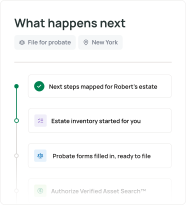
- Estate and post-loss resources like Elayne can connect loved ones with Care Managers, who help with everything from insurance claims, locating assets and accounts and connecting you to trusted probate lawyers.
- Estate and post-loss resources like Elayne can connect loved ones with Care Managers, who help with everything from insurance claims, locating assets and accounts and connecting you to trusted probate lawyers.
- Use Online Legal Directories:
- Websites like Avvo, FindLaw, Lawyers.com, and Nolo offer searchable databases of probate attorneys. You can search by zip code, read client reviews, and see attorney credentials.
- Websites like Avvo, FindLaw, Lawyers.com, and Nolo offer searchable databases of probate attorneys. You can search by zip code, read client reviews, and see attorney credentials.
- Contact Your Local Bar Association:
- Most state and county bar associations offer lawyer referral services. This is a great way to find local attorneys who are licensed and in good standing.
- Most state and county bar associations offer lawyer referral services. This is a great way to find local attorneys who are licensed and in good standing.
- Ask for Recommendations:
- If you have a trusted financial advisor, accountant, or real estate professional, ask if they can recommend a probate attorney. Personal referrals are often one of the best ways to find reputable legal help.
What to Look for in a Probate Lawyer
Not all probate lawyers are created equal. Here are some qualities and credentials to consider when evaluating your options:
- Experience in Probate and Estate Law: Make sure the attorney specializes in probate or estate planning—not just general practice law.
- Strong Communication Skills: The lawyer should be able to explain legal terms clearly, answer your questions, and respond promptly.
- Transparent Fees: Ask if they charge hourly or flat fees, and make sure you understand the cost structure before signing any agreement.
- Local Knowledge: A lawyer familiar with local court procedures and judges can help move your case through the system more smoothly.
- Good Reputation: Look for attorneys with positive reviews, strong client testimonials, and no history of disciplinary action.
{{blog-cta-legal}}
How You Know You've Found the Right Lawyer
Once you’ve narrowed down your options, schedule consultations—most probate lawyers offer free or low-cost initial consultations. Here’s how to tell you’ve found a good fit:
- They take time to listen to your concerns and provide thoughtful responses.
- They demonstrate a deep understanding of probate law and can explain how state-specific rules apply to your case.
- They offer a clear plan of action and timeline for your case.
- You feel comfortable and confident in their ability to represent you.
Probate can feel overwhelming, especially when you're also grieving a loss, but you don’t have to handle it alone. By taking the time to find a trustworthy and experienced probate lawyer near you, you’ll ensure that your loved one’s estate is settled legally, efficiently, and with as little stress as possible.
Sign up for a free account with Elayne for additional post-loss support, including help with finding a trusted probate lawyer in your area.










.svg)