

In Florida, how long probate takes depends on the type of administration that applies to the estate. Three tracks exist, each with different eligibility rules and timelines. This guide covers key points for families and executors to be aware of, including: what probate is, which administration track applies, how long each one takes, asset exemptions, intestate administration, and more.
Key Takeaways
- Florida formal probate generally takes 6-12 months uncontested; the mandatory 3-month creditor period cannot be waived or shortened.
- Three administration tracks exist: disposition without administration (1-3 weeks), summary administration (1-3 months), and formal administration.
- Anyone holding a will must file it with the probate court within 10 days of learning of the death under Florida Statute §732.901.
- Elayne handles document collection and asset discovery for executors, running Verified Asset Search across 100+ financial sources.
What Is Probate?
Probate is the court-supervised process for validating a will, identifying a decedent's assets, paying outstanding debts and taxes, and distributing what remains to beneficiaries. In Florida, it runs through the probate division of the circuit court in the county where the decedent lived.
Not every asset goes through probate. Property held in a trust, accounts with named beneficiaries, and jointly owned assets with right of survivorship typically pass outside the process entirely. Probate governs individually owned property with no automatic transfer mechanism attached.
Florida law sets the procedural rules for how probate runs, who can serve as personal representative, and how creditors and beneficiaries are notified.
{{blog-cta-financial}}
When Is Probate Required in Florida?
Probate is required when a decedent owned assets titled solely in their name with no beneficiary designation and no automatic transfer mechanism.
Assets that typically avoid probate entirely:
- Accounts with a named beneficiary (life insurance, IRAs, 401(k)s, POD bank accounts)
- Jointly owned property with right of survivorship
- Assets held in a revocable living trust
- Vehicles or accounts titled with a co-owner
What Assets Are Exempt from Probate in Florida?
Florida law creates two distinct categories: assets exempt from Florida probate through non-probate mechanisms, and property that is legally exempt from creditor claims under Florida Statute §732.402.
Exempt property under §732.402 includes:
- Homestead property designated to a surviving spouse or minor child
- Two motor vehicles held in the decedent's name, if a surviving spouse or dependent regularly used them
- Household furniture and appliances up to $20,000 in value
- Tuition programs and certain personal property designated by statute
Homestead protections in Florida are among the strongest in the country. The primary residence is shielded from most creditor claims and does not count toward the summary administration asset threshold. However, homestead still passes through probate unless a non-probate transfer mechanism like a lady bird deed is in place.
Three Types of Florida Probate Administration
Disposition Without Administration
This option is available when the estate's assets are either exempt property or non-exempt personal property that does not exceed the funeral and medical expenses paid by a family member. No court proceeding is opened.
Summary Administration
Available when non-exempt assets are $150,000 or less, or the decedent died more than two years ago. No personal representative is appointed, making this process generally faster and less expensive than formal administration.
Formal Administration
The standard track for all other estates. It requires appointing a personal representative, running the mandatory creditor period, and following the full statutory process from petition to discharge.
Florida Probate Timeline by Administration Type
Florida's three administration types carry different timelines and eligibility thresholds.
| Administration Type | Typical Timeline | Eligibility |
|---|---|---|
| Disposition Without Administration | 1 to 3 weeks | Exempt property or non-exempt personal property not exceeding funeral and medical costs paid by family |
| Summary Administration | 1 to 3 months | Non-exempt assets $150,000 or less, or decedent passed away more than 2 years ago |
| Formal Administration | 6–12 months (uncontested); 1–3+ years (contested) | All other estates |
The Mandatory Creditor Period
Once a personal representative is appointed and Notice to Creditors is published in a local newspaper, Florida's three-month creditor claim period begins. It cannot be waived or shortened. Even when all documents are filed, all assets are located, and all beneficiaries agree, formal administration cannot close until this window runs in full.
The personal representative must also mail notice directly to any reasonably ascertainable creditors. Both the publication and mailing requirements must be satisfied for the period to start properly.
{{blog-cta-financial}}
How Florida Probate Works Without a Will
When someone dies without a valid will in Florida, the estate goes through intestate administration instead of probate with a named executor. The court appoints an administrator following a statutory priority list: the surviving spouse first, then the person selected by a majority of heirs.
Distribution follows Florida's intestate succession statutes. Intestacy does not automatically extend the timeline. Formal administration often runs six to twelve months in uncontested cases, with the same mandatory creditor period.
How Elayne Supports Executors Through Florida Probate
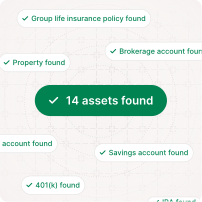
Elayne serves as the administrative layer that supports an executor's responsibilities: organizing documents, collecting estate records, and running Verified Asset Search™ across 100+ financial sources to help surface accounts, property, and policies. Each item in the estate record is source-linked and traceable. For legal teams handling Florida probate matters, an attorney can sign up for Elayne, invite a client, and Elayne handles intake, document collection, and asset discovery from there.
FAQ
How long does probate take in Florida without a will?
Florida probate without a will, known as intestate administration, follows the same formal administration timeline as probate with a will: generally six to twelve months in uncontested cases, with the same mandatory three-month creditor period. What intestacy may add is complexity around identifying all rightful heirs.
What assets are exempt from probate in Florida?
Two categories of assets are treated as exempt under Florida law. The first are non-probate assets that bypass the court entirely: accounts with named beneficiaries, jointly owned property with right of survivorship, and assets held in a revocable living trust. The second are assets legally exempt from creditor claims under Florida Statute §732.402, including homestead property designated to a surviving spouse or minor child, up to two motor vehicles regularly used by a surviving spouse or dependent, and household furniture and appliances up to $20,000 in value. Being exempt from creditors and exempt from probate are distinct topics: homestead property, for example, still passes through probate unless a lady bird deed or another non-probate transfer mechanism is in place.
What happens if you don't file probate in Florida after someone dies?
Florida Statute §732.901 requires anyone holding a will to file it with the court within 10 days of learning of the death; the filing obligation applies to the document itself, not necessarily to opening a full proceeding. Without a court-appointed personal representative, no one holds legal authority to secure or transfer assets. Assets left unaddressed long enough can eventually escheat to the state as unclaimed property.
Differences between Florida probate formal administration vs. summary administration?
Summary administration is available when non-exempt assets total $150,000 or less, or when the decedent died more than two years ago. Homestead property does not count toward the cap. If the estate clears that threshold, formal administration applies, requiring a personal representative, the full statutory creditor period, and can take six to twelve months in an uncontested matter.
How much does probate cost in Florida?
Florida sets attorney fees for probate by statute. The fee is calculated as a percentage of the estate's value: 3% on the first $1 million, 2.5% on the next $1 million to $3 million, 2% on the next $3 million to $5 million, and 1.5% on amounts above $5 million. Personal representative compensation follows the same schedule. Courts can also approve additional fees for complex work. Filing fees, publication costs, and appraisal fees may add to the total.
Who is the personal representative and what do they do?
The personal representative is the person appointed by the court to administer the estate during formal probate. Their responsibilities include filing the petition to open the estate, identifying and securing assets, publishing the Notice to Creditors, paying valid debts and taxes, and distributing what remains to beneficiaries. The court issues Letters of Administration to give the personal representative legal authority to act on behalf of the estate. In Florida, the personal representative must be either a Florida resident or a close relative of the decedent, regardless of where they live.
What happens during the creditor period in Florida probate?
After the personal representative is appointed, they must publish a Notice to Creditors in a local newspaper. This starts a three-month window during which creditors can file claims against the estate. The personal representative must also mail notice directly to any creditors they can reasonably identify. Creditors who do not file a claim within the period may lose the right to collect from the estate, though the exact consequences can depend on the circumstances. The estate cannot close until this period runs in full.
*Disclaimer: This article is for informational purposes only and does not provide legal, medical, financial, or tax advice. Please consult with a licensed professional to address your specific situation.










.svg)