
Key Takeaways
- Leased equipment does not belong to the estate and must be returned to the provider.
- Unreturned-equipment fees can reach hundreds of dollars per item if returns are missed or undocumented.
- Each provider has specific return rules and deadlines that must be followed exactly.
- Keeping proof of return is critical to protect the estate from later disputes.
{{blog-cta-admin}}
After a loved one dies, accounts for the internet, cable, phone, security systems, and medical services often remain open longer than expected. What many executors don’t realize is that these services almost always involve leased equipment, devices that legally belong to the provider and must be returned.
If even one item is missed or returned incorrectly, providers may charge steep non-return fees or continue billing monthly rental charges. Because these fees are often applied automatically, they can quietly drain estate funds unless the executor intervenes.
Returning leased equipment is tedious, but it’s one of the most effective ways to prevent unnecessary losses during estate settlement.
What Counts as Leased Equipment
Leased equipment is any device provided by a company that remains their property, even though it was used in the home. Common examples include:
- Internet modems and routers
- Cable boxes, DVRs, and streaming devices
- Home phone equipment
- Security system panels, cameras, and sensors
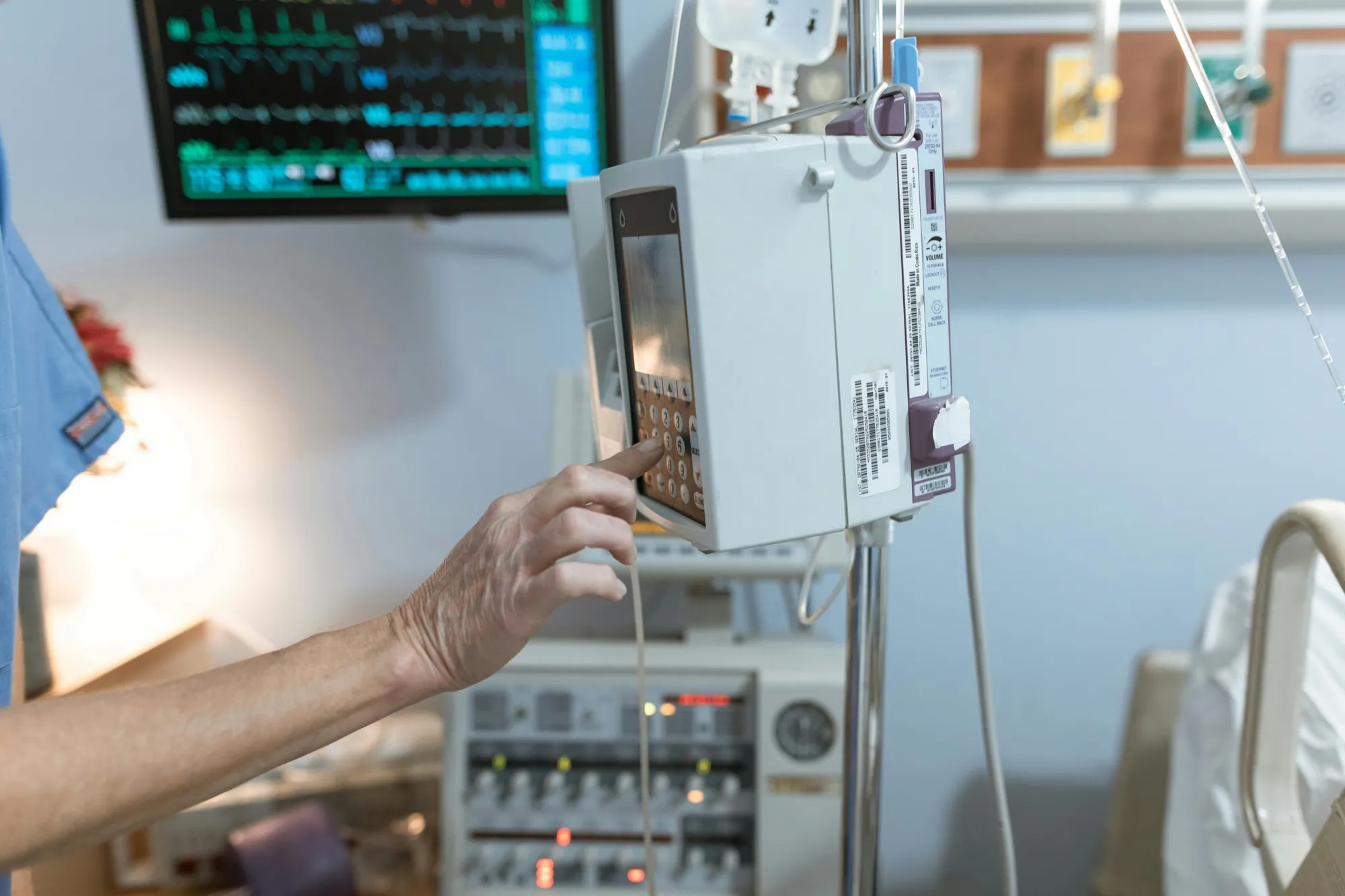
- Medical equipment such as:
- Oxygen concentrators and tanks
- CPAP machines
- Hospital beds
- Wheelchairs or lifts
Even older or unused equipment may still be listed on an account, and providers will expect it back.
What You’ll Need
Before starting, gather:
- A certified death certificate
- Final billing statements or service contracts
- A list of all leased equipment, including:
- Device type
- Serial numbers
- Which provider owns each item
- Basic packaging materials
- Account numbers and customer service contact details
Organization at the beginning prevents missed items later.
Step 1: Identify All Leased Equipment
Start by reviewing recent bills and contracts for services such as:
- Internet and cable
- Home phone
- Security systems
- Medical equipment suppliers
Then physically inspect the home:
- Look for provider logos on devices
- Check closets, garages, and spare rooms
- Review old equipment boxes or drawers
Create a master list noting:
- Provider name
- Equipment type
- Serial number (if visible)
- Location in the home
This step is crucial, many disputes happen because a device was forgotten or misplaced.
Step 2: Contact Each Provider for Exact Instructions
Never return equipment without first confirming instructions. Each provider has specific rules.
For Internet, Cable, Phone, and Security Providers
When contacting customer service:
- Explain that the account holder has died
- Request to close the account
- Ask for a list of all equipment on record
Then confirm:
- Approved return methods:
- Pre-paid shipping labels
- Retail store drop-offs
- Authorized shipping carriers
- Return deadlines before fees apply
- Whether accessories (cords, remotes, power adapters) are required
Write down:
- Representative name
- Date and time of the call
- Any reference or case numbers
For Medical Equipment Providers
Medical equipment requires extra care.
Ask specifically:
- Whether the provider will schedule a pickup
- Who is responsible for packing
- What condition the equipment must be in
- How long pickup may take
Medical suppliers often continue billing until equipment is physically retrieved, so follow up persistently if pickup is delayed.
Step 3: Package and Return Equipment Correctly
When returning equipment:
- Pack Securely
- Use padding and sturdy boxes
- Avoid mixing equipment from different providers
- Include a note inside each package with:
- Deceased’s name
- Account number
- Your contact information
- Use Authorized Return Methods
- Only use labels or locations the provider specifies
- For drop-offs, confirm the location accepts returns for that provider
- Always Get Proof
- Shipping receipts and tracking numbers
- Store drop-off receipts
- Signed pickup confirmations for medical equipment
Never assume the provider will acknowledge receipt automatically.
Step 4: Monitor Accounts and Billing
Returning equipment is only half the job, confirming it was processed is just as important.
After returns:
- Check online accounts or final bills
- Confirm equipment is marked “returned”
- Ensure equipment fees are removed or credited
- Watch for continued automatic payments
If charges appear:
- Contact the provider immediately
- Reference tracking numbers and receipts
Keep all documentation in the estate file.
Why Proof of Return Matters
Providers rely on internal systems that sometimes fail to update correctly. Without proof:
- The estate may be charged non-return fees
- Disputes become difficult to resolve
- Charges may be sent to collections
Executors should treat return receipts as essential legal protection, not optional paperwork.
Common Challenges Executors Face
Executors often run into:
- Missing or forgotten devices
- Conflicting information from customer service reps
- Short return deadlines
- Retail stores refusing equipment without prior notes
- Medical equipment pickups taking weeks
- Continued billing despite returns
These challenges are common, and solvable with documentation and persistence.
How This Fits Into Estate Administration
Returning leased equipment typically happens alongside:
- Closing service accounts
- Stopping automatic payments
- Finalizing utility and service bills
Because these tasks are interconnected, missing one step can keep accounts open longer than necessary.
Why Executors Must Handle This Carefully
Leased equipment charges are:
- Legitimate estate debts
- Often applied automatically
- Frequently disputed without proper records
Failing to return equipment properly reduces estate value and can delay final accounting.
How Elayne Helps With Leased Equipment Returns
Elayne removes the logistical burden from this process.
It can:
- Identify leased equipment from bills and accounts
- Contact providers for instructions
- Track return deadlines and requirements
- Store proof of return securely
- Monitor accounts for lingering charges
This prevents small but costly mistakes while freeing the executor from time-consuming coordination.
When Problems Usually Appear
Most issues surface:
- Weeks after returns, when final bills arrive
- During estate accounting
- When unexpected fees appear
Handling returns early, and documenting them, avoids last-minute surprises.
Conclusion
Returning leased equipment after a loved one’s death is one of the most tedious, but financially important executor tasks. Missed devices or undocumented returns can lead to hundreds or thousands of dollars in avoidable fees.
By identifying all leased equipment, following provider instructions precisely, and keeping proof of return, executors protect estate funds and avoid unnecessary disputes.
If you’d rather not hunt down devices, coordinate returns, and chase confirmations yourself, Elayne can manage provider communication, returns, and documentation as part of comprehensive estate administration support.
{{blog-cta-admin}}
FAQs
Q: What happens if equipment is lost or damaged?
Providers may charge non-return or replacement fees, which are typically estate expenses.
Q: Can I return equipment without closing the account first?
Usually no. Most providers require account closure or notation before returns.
Q: How long should I keep return receipts?
Until the estate is fully closed, and longer if disputes arise.
Q: Do all providers require accessories to be returned?
Many do. Always ask what must be included.
**Disclaimer: This article is for informational purposes only and does not provide legal advice. Provider rules and fees vary. Consult service providers or a licensed professional for guidance specific to your situation.









.svg)