.png)

If you're wondering how long does probate take, you're not alone in trying to plan around a process that feels unpredictable. Estates with straightforward assets and a clear will can close in as little as three to six months, but complex cases or family disagreements can stretch probate out to two years or more. Your state sets mandatory waiting periods you can't shorten, but there are steps you can take to avoid common delays. This guide breaks down the timeline by stage and location so you know what to expect.
Key Takeaways:
- Probate and estate settlement as a whole takes 16 months on average, but can finish in 3-6 months for simple estates or stretch to years if contested.
- State laws create major timeline differences: California takes 12-18 months while Texas often completes in 6-12 months.
- Estates under certain thresholds can skip full probate using small estate affidavits, finishing in 4-8 weeks.
- Deaths without a will add 20-30% more time as courts must appoint administrators and identify legal heirs.
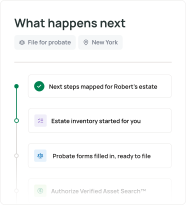
- Elayne handles court filings, tracks deadlines, and manages creditor notifications to keep probate on schedule.
Understanding Probate Timelines: What to Expect in 2026
After someone dies, families often wonder how long the probate process will take. The answer varies, but understanding typical timelines helps you prepare for what's ahead.
Across the United States, the average probate lasts 16 months. That said, many estates close within 6 to 12 months, while simpler cases can finish in 3 to 6 months.
Several factors influence how long your specific case will take. Estate complexity, asset types, whether a will exists, and state laws all play a role. An estate with clear beneficiaries and simple assets typically moves faster than one involving property disputes or complicated creditor claims.
Knowing what's typical for your situation helps you move forward with realistic expectations and fewer surprises.
Probate Timeline by State: Where You Live Matters
Your location affects probate duration more than almost any other factor. Each state has different court procedures, filing requirements, and waiting periods that can add weeks or months to the process.
State-specific probate laws create these differences. Some states require multiple court hearings, while others allow executors to work independently. Court capacity also plays a role. A busy county courthouse can mean longer waits between filings and approvals.
The Seven Stages of Probate and How Long Each Takes
The probate process moves through seven distinct stages. Each has its own timeline, and knowing what to expect at each point can help you feel more grounded as things unfold.
Stage 1: Filing the Petition (1-2 weeks)
The executor files a petition with the probate court to open the estate and get appointed. You'll submit the death certificate and will, if one exists. Court filing backlogs can stretch this stage in busy counties.
Stage 2: Court Hearing and Appointment (4-8 weeks)
The court schedules a hearing to validate the will and appoint the executor. Interested parties receive notice of the hearing. This waiting period is often set by state law and rarely moves faster.
Stage 3: Notifying Creditors (3-6 months)
The executor notifies known creditors and publishes a notice in local newspapers. States require specific creditor claim periods, usually 3 to 6 months, which cannot be shortened.
Stage 4: Inventorying Assets (1-3 months)
The executor identifies, values, and lists all estate assets. Real estate appraisals, business valuations, or finding unknown accounts can extend this stage.
Stage 5: Paying Debts and Taxes (2-6 months)
After the creditor period closes, the executor pays valid claims, final bills, and estate taxes. Complex tax situations or disputes add time.
Stage 6: Distributing Assets (1-2 months)
Once debts are settled, assets transfer to beneficiaries according to the will or state law.
Stage 7: Closing the Estate (1-2 months)
The executor files a final accounting with the court and requests closure. The court reviews everything and, if approved, closes the estate.
What Makes Some Probates Take Years While Others Finish in Months
The difference between a 6-month probate and a 3-year one often comes down to a few factors. Understanding which ones apply to your situation helps you know what timeline to expect.
Estate size and complexity matter. A simple estate with one bank account and no property moves quickly. Estates with multiple real estate holdings, business interests, retirement accounts, or hard-to-value assets take longer to inventory, appraise, and distribute.
Whether a valid will exists changes everything. A clear, up-to-date will naming an executor and beneficiaries keeps things moving. When someone dies without a will, state intestacy laws determine who inherits, often requiring extra court oversight and documentation.
Family disputes can stretch probate from months into years. Contested probate cases take two to three times longer than uncontested ones.
Executor efficiency also plays a role. An organized, responsive executor who files paperwork promptly and communicates clearly keeps the process on track.
State requirements create baseline timelines you can't control. Mandatory waiting periods, creditor claim windows, and court schedules vary by location.
Common Delays That Add Months to Probate
Even when you expect probate to take months, certain situations can stretch the process considerably. Knowing which delays to watch for helps you prepare.
Will contests bring probate to a halt. If someone challenges the will's validity, the court must resolve the dispute before moving forward. These cases can add 12 to 24 months depending on the complexity of the challenge.
Missing documents create immediate slowdowns. When you can't locate the original will, account statements, or property deeds, you'll need to request copies from banks and courthouses. Each request adds weeks to the timeline.
Hard-to-value assets require professional appraisals. Family businesses, collectibles, and unusual investments need expert valuations before distribution. Finding qualified appraisers and waiting for reports takes months.
Multiple properties across states complicate everything. Real estate in different locations often requires ancillary probate proceedings in each jurisdiction, multiplying paperwork and court appearances.
Federal estate tax filings add six months or more. The IRS review process for Form 706 takes time, and requests for more documentation can extend this another few months.
{{blog-cta-legal}}
How Long Does Probate Take Without a Will
When someone dies without a will, probate typically takes 20 to 30 percent longer. The process follows intestate succession laws, which determine who inherits based on family relationships.
Without a named executor, the court must appoint an administrator. This requires additional hearings and documentation, adding 1 to 3 months before work can begin.
Identifying legal heirs takes time. The administrator must locate and verify all potential beneficiaries under state law, sometimes tracking down distant relatives who may not even know about the death.
A will doesn't make probate faster in the beginning. The same court filings and creditor periods apply either way. What it prevents are the disputes and confusion that often add 6 to 18 months later in the process.
Small Estate Shortcuts That Can Save You Months
Many states offer faster alternatives to full probate when estates fall below certain thresholds. These shortcuts can cut the process from over a year down to just a few weeks.
Small Estate Affidavits
If the estate value stays below your state's limit, you can often skip formal probate entirely. In California, estates under $208,850 qualify for a small estate affidavit (effective April 1, 2025). You wait 40 days after death, complete a simple form, and present it to banks or other institutions holding assets. They release the funds directly to heirs without court involvement.
Real Property Transfer Procedures
California also allows a simplified petition for primary residences valued up to $750,000. You can transfer real estate without full probate, saving months of court oversight.
State-Specific Thresholds
Limits differ by location. Texas allows simplified procedures for estates under $75,000. Florida sets the bar at $75,000 for summary administration. New York offers a small estate affidavit for estates under $50,000 with no real property.
Check your state's specific limits and requirements. If you qualify, these procedures finish in 4 to 8 weeks instead of 6 to 18 months.
Practical Ways to Speed Up the Probate Process
While you can't control mandatory waiting periods, a few straightforward actions keep things moving smoothly.
Gather documents early. Collect the death certificate, will, account statements, property deeds, tax returns, and insurance policies right away. Having everything ready when the court or creditors request it prevents delays.
Keep detailed records of every step. Document all expenses, communications, and decisions in one place. Clear records make court filings easier and help you respond quickly to questions from beneficiaries or the judge.
Reply promptly to court requests. Missing a deadline adds weeks or months to probate. Set reminders for due dates and respond as soon as you receive notices.
Communicate regularly with beneficiaries to prevent disputes and build trust.
How Elayne Helps Families Navigate Probate Timelines
Probate timelines can feel unpredictable, but having the right support changes that experience. Elayne helps families stay organized and on track through every stage.
Elayne handles the time-intensive parts that usually stretch probate out. The platform tracks court deadlines, organizes required documents, and notifies creditors and agencies on your behalf. When families work with attorneys or financial advisors, Elayne coordinates the information they need so nothing falls through the cracks.
Estate settlement can take 400+ hours of paperwork across those 16 months. Elayne automates many of those steps, freeing families to focus on what matters rather than filing. Families get a clear view of where things stand and what comes next, without the confusion that often accompanies probate.
If you're facing probate or helping someone who is, learn more about how Elayne can help.
{{blog-cta-legal}}
Final Thoughts on Understanding the Probate Process
Knowing how long the probate process takes helps you set realistic expectations and plan accordingly. Whether your estate is simple or complex, the right support keeps things moving smoothly. You can reduce stress and save time by having someone handle the organizing, tracking, and filing for you. See how Elayne helps families navigate probate with less confusion and more clarity.
FAQ
How long does probate take in California without a will?
Probate in California without a will typically takes 12 to 18 months, about 20 to 30 percent longer than with a valid will. The court needs extra time to appoint an administrator and identify legal heirs under state intestacy laws, which can add 1 to 3 months before the process begins.
Can I avoid probate if the estate is small?
Yes, many states offer shortcuts for smaller estates. In California, estates under $208,850 (as of April 1, 2025) can skip formal probate using a small estate affidavit, which takes just 4 to 8 weeks instead of 6 to 18 months.
What causes probate to take longer than expected?
The most common delays include will contests (adding 12 to 24 months), missing documents, hard-to-value assets like family businesses, multiple properties in different states requiring separate probate proceedings, and federal estate tax filings which can add six months or more.
What happens during the creditor claim period?
The executor must notify known creditors and publish a notice in local newspapers, then wait 3 to 6 months as required by state law for creditors to file claims. This waiting period cannot be shortened and is one reason probate takes time even when everything goes smoothly.
How can Elayne help speed up the probate process?
Elayne tracks court deadlines, organizes required documents, and notifies creditors and agencies on your behalf. Elayne handles the time-intensive paperwork that typically takes families 400 hours over 16 months, freeing you to focus on family while the process moves forward.










.svg)