Reviewing Empathy’s pricing and reviews usually means you’re trying to figure out whether this kind of benefit-based support truly fits your family’s needs right now.
The service can be helpful, but access is often tied to specific life insurance policies or employer programs than being available to anyone who needs it.
This guide walks through how Empathy works, what families can expect to pay, and which direct-access alternatives exist if you prefer a service that takes on more of the administrative work for you.
TLDR:
- Empathy is only available through insurance carriers or employers, limiting direct access.
- Elayne provides direct access and automates filings, notifications, and closures, saving families time.
- Alternatives like Sunset focus on asset discovery, while Alix charges a percent of the estate's value.
- Elayne handles the full estate settlement roadmap with human support and predictable pricing.
What is Empathy and How Does It Work?
Empathy helps families manage the emotional weight of loss. Unlike services you purchase directly, it is primarily available through partnerships with life insurance companies and employers as a covered benefit.
The app pairs digital tools with human support to manage estate settlement. Care Managers assist with specific steps, such as claiming survivor benefits and closing accounts.
Key features include collaboration tools for up to 10 family members, encrypted document storage, access to licensed social workers and behavioral health experts, and grief resources, including daily journaling prompts.
Why Consider Empathy Alternatives?
While Empathy offers meaningful support, it isn't always the perfect fit. The primary reason families seek alternatives is often accessibility. Recent 2025 surveys show that 68% of people turn to Google first when researching estate planning needs, actively searching for direct-access solutions before asking friends or family for recommendations.
Because the service typically ties to specific life insurance policies or employer benefits, you cannot always sign up directly when you need help most.
Beyond access, the style of assistance varies. Empathy functions largely as a knowledgeable guide offering educational content and human advice, not a tool that completes administrative steps for you. Families often review other options when they require:
- Direct, immediate access. You need to sign up and start working immediately without checking eligibility through an existing insurance policy or employer.
- Tech-driven completion. You prefer tools that handle notifications and filings instantly, in place of waiting to coordinate those details with a human advisor.
- Administrative focus. Your primary goal is to clear the logistical steps and paperwork, as opposed to using emotional support features or journaling tools.

Best Overall Alternative: Elayne
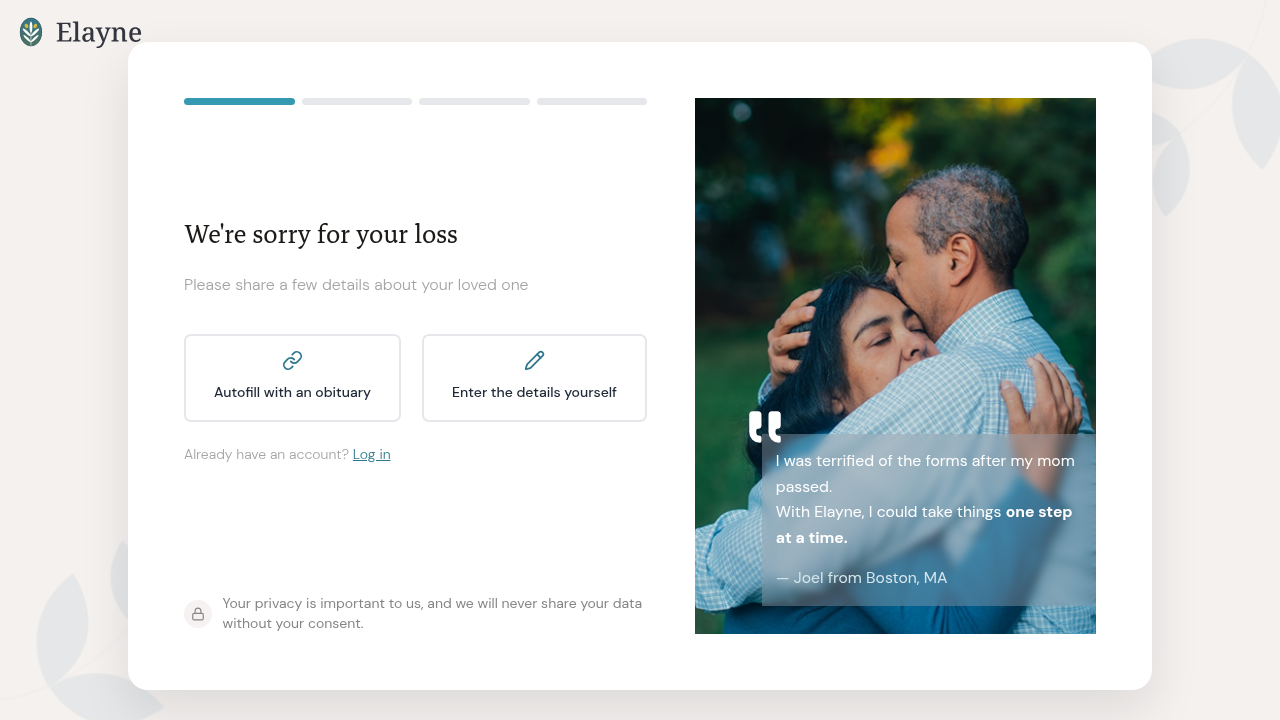
Elayne pairs structured estate settlement support with compassionate human guidance, focusing on actually completing post-loss tasks instead of just explaining them. It handles the full range of post-loss administration for families across the United States, from government benefits to account closures.
What they offer:
- Personalized roadmaps that update as the situation evolves
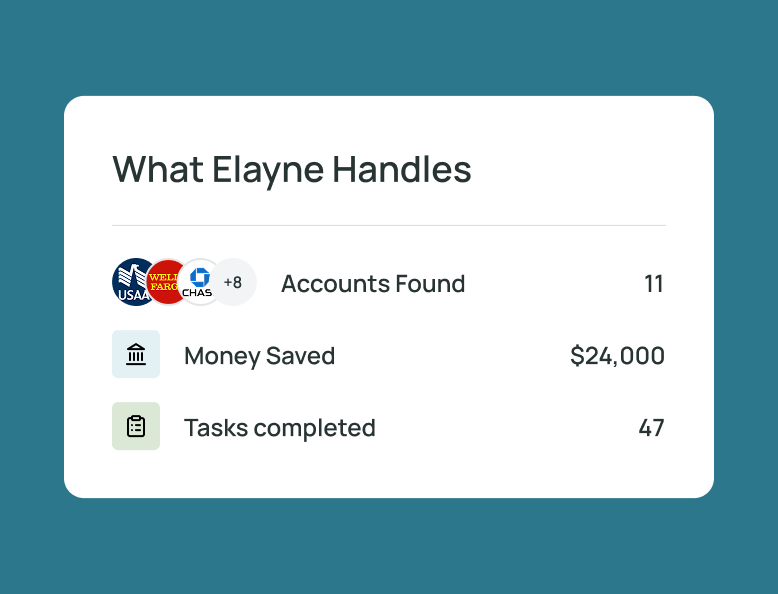
- Direct execution of paperwork, agency notifications, and account closures
- Asset and benefit discovery for unclaimed policies
- Secure family collaboration for up to 10 members
- Proactive deadline tracking throughout the journey
Good for: families needing wide-ranging help with every part of the estate settlement roadmap, from Social Security to probate, especially when they prefer a single service that both guides and completes key steps.
Limitation: Elayne is built for families seeking broad, end-to-end support, which can be more than necessary for those who only need a narrow tool focused solely on education, grief content, or asset search.
Bottom line: Elayne stands out among Empathy alternatives by delivering true end-to-end execution, handling filings, notifications, and closures so families reclaim time and avoid carrying the full administrative burden themselves.
{{blog-cta-legal}}
Sunset
Sunset offers tools to help families identify and secure financial assets after a death, with a primary focus on financial discovery. It is generally used when the main concern is locating accounts.
What they offer:
- Asset discovery, often locating accounts within about a week
- Probate document generation for all 50 states
- Estate bank account setup, including EIN filing and fund transfers
- SOC 2 Type II security certification for data security
Good for: families who need help finding unknown or scattered accounts and organizing assets across multiple institutions, but who are comfortable handling most follow-up steps themselves.
Limitation: Sunset focuses on post-death asset searches and related documentation, so families remain responsible for most coordination, notifications, and closures, and it does not provide ongoing human guidance through each stage.
Bottom line: Sunset is a neutral, targeted option for asset discovery and documentation, while families seeking end-to-end settlement support with human guidance and direct execution of filings and closures may find a more extensive fit with a service like Elayne.
Alix
Alix combines technology with human support to help families manage estate settlement, covering tasks like document intake, account discovery, notifications, probate preparation, tax steps, debt resolution, and asset transfers. Families track progress through a shared app while a concierge team coordinates the underlying administrative work.
What they offer:
- Guidance on uncovering assets, transferring them to estate accounts, and dealing with probate
- Support that manages a wide range of estate steps, including resolving debts, filing taxes, and closing accounts
- A mobile app for real-time progress tracking and family collaboration
Good for: families with higher-value estates who want full-service human concierge support combined with digital coordination tools.
Limitation: Alix uses a percentage-of-estate pricing model, which can lead to higher overall costs for mid- to large-sized estates compared with flat-fee options, and the app primarily serves as a communication channel with the team as opposed to a tool for completing steps independently.
Bottom line: Alix offers a wide range of concierge-style support for families comfortable with percentage-based fees, while those looking for predictable pricing and software that directly completes filings, notifications, and closures may find a closer fit with Elayne.
Feature Comparison: Empathy vs Top Alternatives
Finding the right support means understanding exactly how different services compare. We created this side-by-side view to help you see the structural differences between Empathy’s benefit-based model and the direct-to-consumer options available right now.
Why Elayne is the Best Empathy Alternative
While Empathy provides emotional support, its model often limits who can join. You typically need a specific insurance policy or employer benefit to use their service. Elayne is immediately available to every family.
The main difference lies in execution. Empathy acts primarily as a guide, offering resources to explain the process. Elayne takes a different approach by directly helping lift the administrative burden. Their tools assist with notifications, forms, and account closures that typically take hours.
Settling an estate changes as you go. Elayne will update the roadmap as your situation evolves, so nothing slips through the cracks. This matters especially for digital assets: only 24% of people leave clear instructions for digital access to online accounts, yet modern estates now routinely include cryptocurrency, social media accounts, and cloud storage that families struggle to access after a death. For families seeking relief from the administrative load, Elayne offers a clear, direct path forward.
Final Thoughts on Estate Settlement Support Options
Reviewing Empathy competitors gives you a clearer picture of what's out there. Different families need different types of help, whether that's guidance, discovery, or full execution. Elayne was built to take on the administrative work so you can focus on healing. Choose the option that feels right for where you are today.
{{blog-cta-legal}}
FAQs
Why do families look for alternatives to Empathy?
Most families seek alternatives because Empathy is only available through specific life insurance policies or employer benefits, not as a direct service you can sign up for independently. Others need tools that complete administrative steps directly.
When should you consider switching from a benefit-based service to a direct alternative?
If you don't have access through your insurance or employer, or if you need immediate help without waiting for eligibility verification, a direct-access service is a good option. Families also switch when they want automated paperwork completion and notifications.
What features should you focus on when comparing estate settlement services?
Look for direct administrative execution, asset discovery capabilities, family collaboration tools, and transparent pricing. The ability to access the service immediately and receive both automated help and human support when needed matters most in reducing administrative burden.
Can you use multiple estate settlement services at the same time?
Yes, some families combine services based on specific needs, for example, using one tool for asset discovery and another for full settlement execution. However, choosing a service that handles the complete roadmap in one place typically saves time and reduces coordination stress.







.svg)