
Employee Assistance Programs(EAPs) have become a standard offering in many workplaces, designed to provide workplace support for employees facing various personal and professional challenges. These programs typically offer short-term counseling and support services, addressing multiple issues affecting employees' well-being and productivity. However, when it comes to the complex and deeply personal experience of grief, EAPs often fall short of providing the comprehensive bereavement care that grieving employees genuinely need.
While EAPs serve an essential role in general workplace support, there is a significant gap in addressing the specific needs of employees dealing with loss. The unique and profound nature of bereavement care demands more specialized support and long-term engagement than what typical EAPs can offer.
{{blog-cta-admin}}
Challenges Faced by Employees in Bereavement
The emotional impact of loss can be profound and long-lasting. When an employee loses a loved one, they often experience a range of intense emotions, including sadness, anger, guilt, and anxiety. These feelings can persist for months or even years after the initial loss, creating ongoing challenges in personal and professional environments.
One of the most significant issues bereaved employees face is the impact on their job performance and productivity. Grief can severely affect concentration, decision-making abilities, and overall work performance. Employees may struggle with maintaining their usual level of productivity, potentially leading to errors, missed deadlines, and decreased overall performance.
The need for ongoing support is a crucial aspect of the grieving process that employers often overlook. Grief doesn't follow a predictable timeline, and individuals may experience waves of intense emotions long after the initial loss. This ongoing nature of grief, which necessitates a support system that extends well beyond the immediate aftermath of a loss, is not adequately addressed by short-term EAP services.
Without proper support, employees may face prolonged emotional distress, which can have long-term implications for their well-being and their ability to function effectively in the workplace. The recovery process from grief is highly individual and can take considerable time, requiring patience, understanding, and sustained support from employers and colleagues.
Why EAPs Fall Short
While EAPs provide valuable general support, they have several limitations when it comes to addressing the specific needs of bereaved employees:
Generalized Support vs. Specialized Care
EAPs typically offer broad-spectrum assistance for various issues. However, effective grief counseling requires specialized knowledge and techniques that may be beyond the scope of general EAP services. Bereavement care necessitates a more targeted approach that addresses the unique challenges of navigating loss.
Time-limited Services
Most EAPs provide short-term counseling, often limited to a few sessions. This brief intervention is insufficient for addressing the long-term nature of the grieving process, which frequently requires ongoing support and guidance. Employees cannot adequately address the complexity of grief in just a handful of sessions.
Lack of Personalized Attention
The one-size-fits-all approach of many EAPs fails to account for the highly individual nature of grief. Each person's loss experience is unique, requiring a more tailored support approach. Effective grief management requires personalized strategies that consider the individual's specific circumstances, relationship to the deceased, and coping mechanisms.
Limited Expertise in Grief Counseling
While EAP counselors are skilled in general mental health support, they may not have specialized training in grief counseling. This lack of expertise can result in inadequate support for the complex emotional needs of bereaved employees. Grief counseling requires specific techniques and approaches that go beyond general psychological support.
Essential Components of Effective Bereavement Care
To truly support employees through the grieving process, organizations need to implement a more comprehensive approach to bereavement care. Key components of an effective strategy include:
Comprehensive Grief Counseling
Offering access to specialized grief counselors who can provide in-depth, long-term support tailored to each individual's needs. This support may involve a range of therapeutic approaches specifically designed to address grief and loss, helping employees navigate their grief journey more effectively.
Continuous Emotional Support:
Implementing systems for ongoing emotional support that extend beyond the immediate aftermath of a loss. This could include regular check-ins, support groups, or access to resources that help employees navigate different stages of grief. Continuous support acknowledges that grief is a process, not a single event.
Flexible Leave Policies
Recognizing that grief doesn't adhere to a set timeline, organizations should offer flexible bereavement leave policies. This policy allows employees to process their loss without the added pressure of work responsibilities. Flexible policies demonstrate an understanding of the unpredictable nature of grief and show compassion for the employee's needs.
Addressing Administrative Burdens
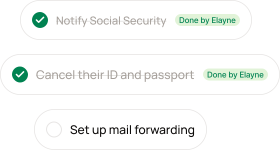
Simplifying administrative processes related to grief, such as paperwork for leave or benefits, can significantly reduce stress for grieving employees. Reducing administrative challenges can allow employees to focus on their emotional needs rather than bureaucratic requirements.
Developing an Integrated Approach
To bridge the gap between EAPs and comprehensive bereavement care, organizations should consider developing an integrated approach that combines the strengths of EAPs with specialized bereavement services. This holistic support strategy might include the following:
- Combining EAPs with Specialized Bereavement Services
Organizations can introduce dedicated bereavement programs that offer long-term, tailored support for grieving employees while maintaining general EAP services. Bereavement services like Elayne can help bridge the gap in estate planning, settlement, and bereavement administration for your employees. This integrated approach ensures employees can access general support and specialized grief counseling.
- Training Managers to Support Grieving Employees
Equipping managers with the knowledge and skills to recognize signs of grief, offer appropriate support, and navigate sensitive conversations is crucial. Managerial training can help create a more supportive work environment for bereaved employees and ensure supervisors are prepared to handle grief-related situations with empathy and understanding.
- Promoting a Culture of Compassion in the Workplace
Fostering a compassionate workplace culture that acknowledges and normalizes grief can reduce stigma and isolation. Encouraging open communication about loss and providing resources for colleagues to support grieving coworkers can make a significant difference. A culture of compassion creates an environment where employees feel supported and understood during difficult times.
{{blog-cta-admin}}
Conclusion
While EAPs provide valuable general support, they are insufficient to address the complex and long-term needs of employees experiencing bereavement. Organizations must recognize the limitations of EAPs in this context and take steps to implement more robust support measures for bereavement care.
There are numerous benefits to a holistic bereavement care strategy. By offering specialized counseling, ongoing emotional support, flexible policies, and practical assistance, employers can create a more supportive environment for grieving employees. This comprehensive approach not only demonstrates compassion but also contributes to improved workplace well-being, increased employee loyalty, and enhanced productivity in the long term.
Employers are responsible for enhancing their support systems to address bereaved employees' needs better. Investing in comprehensive care for grieving employees is not just an act of compassion; it's a strategic decision that can positively impact the entire organization. By recognizing the inadequacy of EAPs in addressing bereavement and implementing more holistic strategies, employers can create a workplace that genuinely supports employees through one of life's most challenging experiences.










.svg)