When 23andMe filed for Chapter 11 bankruptcy, headlines focused on the fall of a once-beloved tech company that helped individuals and families better understand their ancestry. However, beneath the financial news is a very real threat to families across the country: the genetic data of millions—many of whom are no longer alive—is now up for grabs.
23andMe holds the personal and genetic profiles of more than 15 million customers. Since its launch in 2007, it became a household name, especially during its peak years when people raced to uncover their ancestry, genetic health markers, and family tree insights.
Consumers who used 23andMe in the past have been urged by most consumer groups to delete their data from their accounts, and many have rushed to do so. This is sage advice since assets are sold in bankruptcy, and for 23andMe, data is the company’s biggest asset.
{{blog-cta-admin}}
But what happens to that data when a customer has since passed away?
In most cases, nothing. It just sits there—unguarded, unmanaged, and deeply vulnerable.
It’s estimated that more than 1 million people who have used 23andMe have since passed away. This means their sensitive DNA information—still tied to a living email address or payment profile—could now be part of a company’s asset liquidation.
Unless family members act, there’s a very real chance that data could be sold or reused.
This is more than a privacy concern. It’s a fraud issue, an identity issue, and in most cases, a family protection issue.
Why This Matters
Identity theft of the deceased is unfortunately common. Every year, nearly 2.5 million deceased Americans have their identities stolen - that means 1 in every 13 deaths is affected. This phenomenon, sometimes called “ghosting,” allows criminals to:
- Open credit cards in the deceased's name
- File fraudulent tax returns
- Access social security or Medicare benefits
- Commit healthcare fraud
The average cost of resolving identity theft after a death is about $10,000, but can easily add up to the hundreds of thousands in some instances.
And when that stolen identity is tied to a genetic profile? The risks grow deeper:
- DNA data can expose health details of living relatives.
- It can be sold to drug companies or foreign governments.
- It’s not protected by most privacy laws after death.
- And in some cases, it can even reveal unknown relatives through genealogy matches, causing family disruption.
How Elayne Can Help
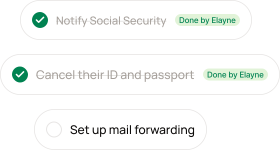
Elayne exists to take the burden off families during one of the hardest moments in life—when a loved one passes. We combine human care with technology to help you close the digital and legal loops—including removing their presence from platforms like 23andMe, Facebook, Google, Ancestry, and more.
With Elayne:
- We help you take back control of your loved one’s digital identity
- We prevent the potential misuse of their data
- We protect your family’s privacy—now and in the future
Whether your loved one used 23andMe, had active social media, or subscribed to other services, we walk you through the process of sealing these doors from bad actors—swiftly and with care.
{{blog-cta-admin}}
What To Do Now
If your loved one used 23andMe or other DNA services, now is the time to act:
- Sign up for a free Elayne account to get a roadmap for protecting your loved one’s identity after death
- Download our free guide: “How To Remove Your Deceased Family Member’s 23andMe Data”
- Talk to your family about digital closure and why it matters
Because in a digital world, loss lingers in ways we’re only beginning to understand. Elayne is here to help you say goodbye—by taking the hardest, most difficult estate settlement tasks off your plate.









.svg)