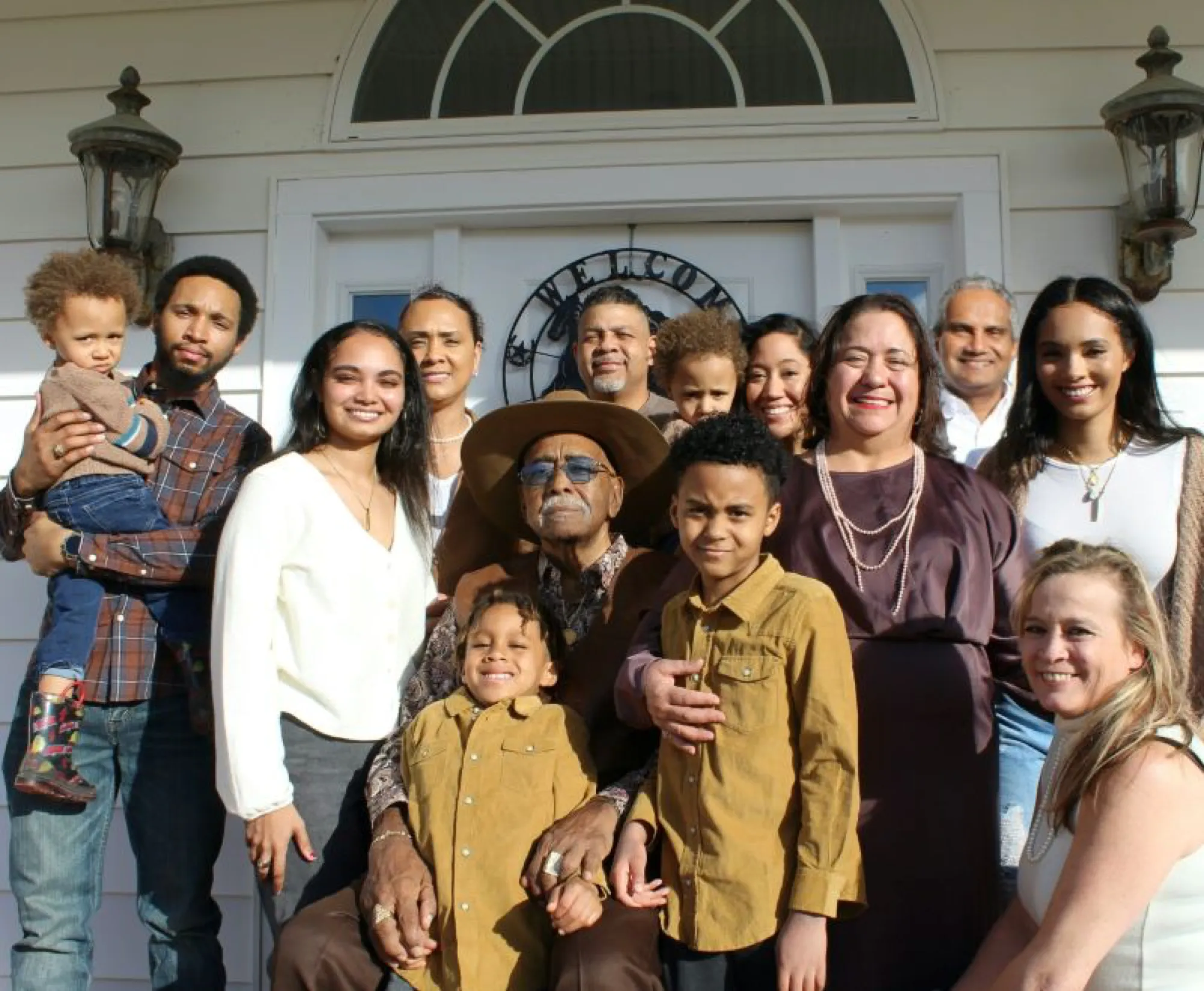
Family landscapes have changed, with blended families becoming increasingly common. These families, formed when partners bring children from previous relationships into a new marriage, face unique challenges regarding estate planning.
Thoughtful and comprehensive estate planning proves crucial for blended families to ensure fair treatment of all family members and to minimize potential conflicts.
{{blog-cta-admin}}
Understanding the Unique Challenges of Blended Families
Blended families often grapple with competing interests and complex emotional dynamics. Parents may feel torn between providing for their current spouse and ensuring their biological children receive an inheritance.
Stepchildren may harbor concerns about fair treatment, while the surviving spouse might worry about financial security. Without careful planning, these competing interests can lead to family disputes, legal battles, and unintended consequences in asset distribution.
The complexity of blended family relationships can make traditional estate planning approaches inadequate. For instance, a simple will leaving everything to the surviving spouse might inadvertently disinherit children from a previous marriage. Similarly, treating all children equally in terms of inheritance might not account for the different financial support each child has received over time.
Key Considerations for Blended Family Estate Planning
Open Communication
Successful estate planning for blended families starts with open and honest communication. Family members should discuss their wishes, concerns, inheritance, and asset distribution expectations. While these conversations may feel uncomfortable, they can prevent misunderstandings and conflicts down the road. Consider holding family meetings or working with a mediator to facilitate these discussions.
Defining "Family" Thoroughly
Clearly define who you consider family and want to include in your estate plan. This definition may encompass biological children, stepchildren, adopted children, and other relatives. Be explicit about your intentions to avoid confusion or hurt feelings later. Remember that legal definitions of family may differ from your definition, so work with an attorney to document your wishes appropriately.
Balancing Needs
Strive to balance the needs of your current spouse with those of your children from previous relationships. Consider factors such as the length of your current marriage, the age of your children, and each family member's financial situation when making decisions about asset distribution. This might involve providing for your spouse during their lifetime while ensuring your children ultimately receive an inheritance.
Updating Beneficiary Designations
Review and update beneficiary designations on life insurance policies, retirement accounts, and other assets. These designations often supersede instructions in a will, so ensuring they align with your overall estate plan remains critical. Pay particular attention to accounts or policies established before your current marriage, as these may still list former spouses or outdated beneficiaries.
Considering Tax Implications
Understand the potential tax consequences of various estate planning strategies. Consult with a tax professional to optimize your plan and minimize the tax burden on your beneficiaries. This might involve strategies such as gifting assets during your lifetime or establishing trusts to take advantage of tax exemptions.
Effective Estate Planning Strategies for Blended Families
Revocable Living Trusts
A revocable living trust offers flexibility and control in managing assets for blended families. This type of trust allows you to specify how and when to distribute assets to beneficiaries. These trusts enable financial support for your spouse during their lifetime while protecting your children's inheritance. Living trusts also offer privacy and can help avoid probate, potentially reducing costs and time in settling your estate.
QTIP Trusts
A Qualified Terminable Interest Property (QTIP) trust provides income to a surviving spouse while preserving the principal for children from a previous marriage. This strategy can help balance the needs of a current spouse with the desire to leave an inheritance for biological children. QTIP trusts also offer potential tax benefits, as they can qualify for the marital deduction in estate tax calculations.
Life Insurance
Life insurance can create additional assets for various family members without depleting the estate. Consider purchasing policies to benefit specific individuals or to equalize inheritances among children. Life insurance can be beneficial in blended families where one spouse has significantly more assets than the other, as it can provide financial security for the less wealthy spouse without compromising inheritances for children.
Prenuptial and Postnuptial Agreements
These legal agreements can clarify how assets are distributed in the event of divorce or death. They prove particularly useful for blended families with significant assets or complex financial situations. While often associated with divorce planning, these agreements can be valuable tools in estate planning, helping to prevent disputes and ensure your wishes are carried out.
Staged Distribution
Consider distributing assets to children in stages rather than all at once. This approach can provide financial support at crucial life milestones while protecting assets from potential mismanagement. Staged distribution can benefit younger beneficiaries or those needing time to develop financial responsibility.
Incentive Trusts
An incentive trust ties asset distribution to specific goals or behaviors, such as completing education or maintaining employment. This strategy can instill values and promote financial responsibility among beneficiaries. However, be cautious about setting overly restrictive conditions that might cause resentment or prove difficult to administer.
Charitable Remainder Trusts
For families with philanthropic goals, a charitable remainder trust can provide income to family members during their lifetime while benefiting chosen charities. This approach can offer tax benefits while also allowing you to leave a lasting legacy beyond your immediate family.
Importance of Professional Guidance
Given the complexity of estate planning for blended families, seeking professional guidance proves essential. An experienced estate planning attorney can help you navigate legal complexities, ensure your documents are properly drafted, and advise on specific strategies. A financial advisor can provide insights on asset management and tax optimization. These professionals can work together to create a comprehensive plan tailored to your family's unique needs and circumstances.
Consider working with professionals with specific experience with blended families, as they will be better equipped to anticipate potential challenges and suggest appropriate solutions. If possible, interview multiple professionals to find the fit for your family's needs.
Regular Review and Updates
Estate plans should not remain static. As family dynamics change, children grow older, and financial situations evolve, reviewing and regularly updating your estate plan is crucial. Major life events such as births, deaths, marriages, divorces, or significant asset changes should trigger a review of your plan.
Set a schedule to review your estate plan every few years, even if no major changes have occurred. This regular review ensures your plan reflects your current wishes and family situation. It also provides an opportunity to reassess the effectiveness of your chosen strategies and make adjustments as needed.
Addressing Potential Conflicts
Conflicts may still arise in blended families during the estate settlement despite careful planning. Consider including a clause in your estate planning documents that requires mediation before any legal action can be taken. This can help resolve disputes more amicably and cost-effectively.
Consider leaving a letter of explanation with your estate planning documents. This letter can provide context for your decisions and express your hopes for your family's future relationships. While not legally binding, such a letter can offer emotional comfort and clarity to your loved ones.
{{blog-cta-admin}}
Conclusion
Estate planning for blended families requires careful consideration, open communication, and strategic decision-making. By addressing potential challenges head-on and implementing appropriate strategies, blended families can create estate plans that provide for all family members fairly and minimize the risk of future conflicts.
Remember, the goal of estate planning extends beyond asset distribution – it's about preserving family harmony and ensuring your legacy aligns with your values and wishes. With thoughtful planning and professional guidance, blended families can navigate the complexities of estate planning and create a lasting positive impact for future generations.
By creating a comprehensive estate plan, you're not just managing your assets but demonstrating your care and consideration for all members of your blended family. This thoughtful approach can strengthen family bonds and provide peace of mind for everyone involved.










.svg)